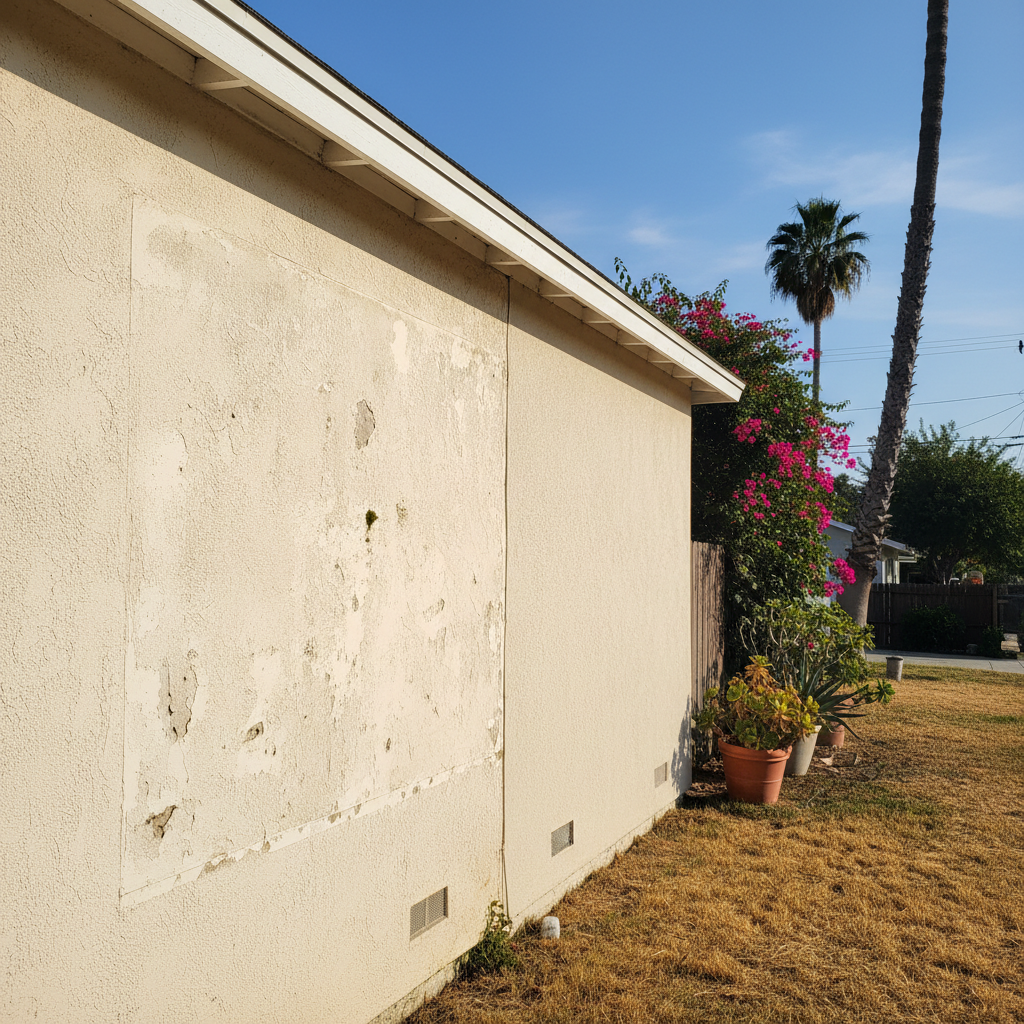
Alright, so your stucco's seen better days, hasn't it? Maybe it's got cracks, water damage, or it just looks plain old and tired. Now you're thinking about replacing it, and you've probably heard there are a couple of ways to do it: either tear all the old stuff off down to the sheathing, or try to put new stucco right over the top of what's already there. As a local contractor, I see folks wrestle with this decision all the time. Honestly, there's no single 'right' answer for everyone, but let's talk through it.
Full Stucco Tear-Off and Re-Stucco
This is exactly what it sounds like: we strip everything down. Every last bit of old stucco, lath, paper—all of it comes off. You're left with the bare sheathing or framing, and then we build a brand new stucco system from scratch. Think of it like a complete reset for your home's exterior, a fresh start.
Pros of a Full Tear-Off:
- You get a clean slate: This is huge. When you tear everything off, we can really inspect the sheathing, framing, and any hidden water damage. This is especially critical in older Long Beach homes, where you might find dry rot or other issues that have been brewing behind the stucco for years. We can fix those problems properly before covering them up again.
- Modern building codes: New stucco systems are designed with much better drainage planes and moisture barriers than older ones. A full tear-off lets us install a modern, code-compliant system that's going to protect your home way better than what was there before. That means better water resistance and improved energy efficiency.
- Longer lifespan: Because it's a completely new system, installed correctly, it's going to last a very long time – often 50 years or more with good maintenance.
- Better appearance: You get a perfectly smooth, consistent finish because we're not trying to hide any imperfections from the old surface underneath.
Cons of a Full Tear-Off:
- Cost: Yeah, this is usually the big one. Tearing off old stucco is labor-intensive, creates a lot of waste, and then you're paying for a full new system. It's almost always more expensive upfront than just going over the top.
- Time: It takes longer, no getting around that. Demolition, haul-away, and then building up multiple layers. Your house is going to be a construction zone for a bit longer.
- Disruption: More noise, more dust, more mess. That's just how it is.
Stucco Overlay (Stucco Over Existing)
This approach means we prepare the existing stucco surface and then apply new stucco directly over it. People often call it 're-dashing' or 're-coating'. This can be a good option if your existing stucco is structurally sound but just needs a facelift.
Pros of an Overlay:
- Lower cost: Generally, this is the more budget-friendly option because you're saving on demolition and waste disposal.
- Faster: Less demo means a quicker project turnaround.
- Less intrusive: Less mess, less noise, and less disruption to your daily life.
- Adds insulation: The new layer of stucco can add a tiny bit of extra insulation value, which is always nice for keeping those utility bills down during our hot summers.
Cons of an Overlay:
- Hidden problems stay hidden: This is the biggest risk, truly. If there's water damage, rot, or structural issues behind the old stucco, you're just covering them up. Those problems will continue to get worse, and you won't know until it's too late. I've seen this happen too many times, especially around windows and doors where water intrusion is common.
- Adds weight: Stucco is heavy. Adding another layer puts more stress on your home's framing and foundation. Most homes can handle it, but it's something to consider, especially for older structures.
- Potential for cracking: If the existing stucco has a lot of movement or significant cracks, those can telegraph through the new layer over time. You might get hairline cracks in your new finish sooner than you'd like.
- Less durable: While it looks new, it's not a complete system. It might not last as long as a full tear-off, especially if the old base wasn't perfectly stable.
- Can look 'thicker': Depending on the existing finish and the new one, the walls can sometimes look a bit thicker or lose some architectural detail around windows and doors.
My Recommendation for Long Beach Homeowners
Look, I'm a straight shooter. For most homeowners in Long Beach, especially if your home is older than 30-40 years, or if you've seen any signs of water intrusion (stains, peeling paint inside, soft spots), I'm almost always going to recommend a full stucco tear-off and re-stucco. Here's why:
The peace of mind you get from knowing what's behind your walls, fixing any issues, and then installing a brand new, modern, waterproof system is invaluable. We're talking about protecting your biggest investment here, right? Long Beach has its share of older homes, some built on expansive clay soils that can cause minor foundation movement over decades, leading to stucco cracks. A full tear-off lets us address these underlying issues properly.
An overlay can be a good option for a relatively new home (say, less than 20 years old) where the stucco is in excellent condition structurally, but you just want a new color or texture. Maybe a minor refresh, not a major repair. But even then, you're taking a calculated risk.
Ultimately, the best way to figure out what's right for your place is to have a professional come out and take a look. We can assess the condition of your existing stucco, look for signs of hidden damage, and talk through your budget and goals. Synergy Stucco Long Beach is here to help you make an informed decision that'll keep your home looking great and protected for decades to come.