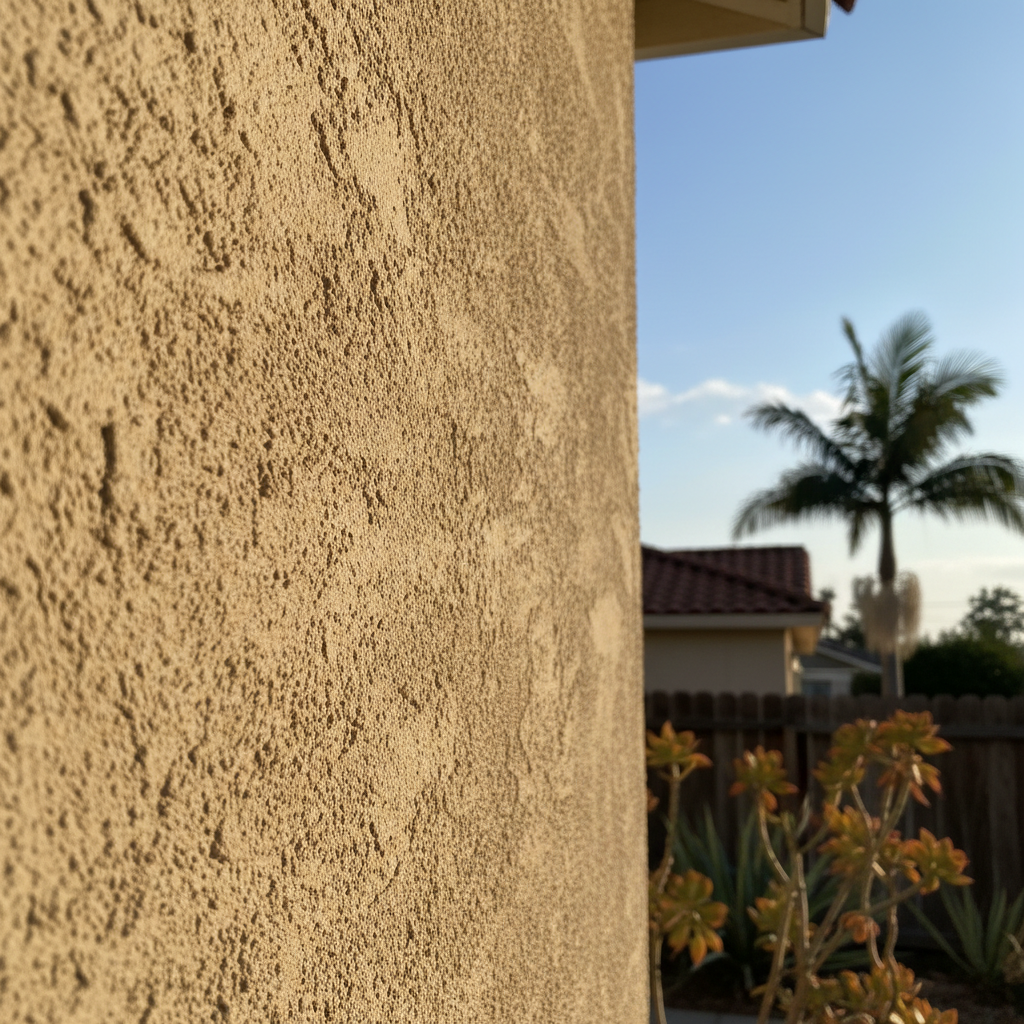
So, you're thinking about putting up some new stucco on your Long Beach home, huh? Maybe it's for a new addition, a repair, or you're just sprucing up an old wall. I get asked this all the time: "Can I do this myself, or do I need a pro?" The short answer? It really depends on the project. Stucco isn't brain surgery, but getting it right — so it looks good and actually lasts — that takes some real skill and patience.
Before You Even Think About Mixing
Before you even buy a bag of cement, you need to get a handle on the project's size. Are we talking about patching a small crack, or are you re-stuccoing an entire exterior wall? A small patch, say a square foot or two, might be something you can tackle yourself. But anything larger, especially if it involves multiple layers or new construction? That's usually when you want to lean on someone with experience.
First off, you've got to think about the prep work. Stucco needs a solid, clean surface to stick to. If you're going over old stucco, you might need to chip off any loose bits, clean it really well, and make sure there aren't any moisture problems lurking. If you're going over new sheathing, you'll need to put up a weather-resistive barrier (WRB), lath, and corner beads. This isn't just about making it look nice; it's about protecting your home from our coastal moisture and preventing rot down the line. We see a lot of homes in places like Belmont Shore where the salt air can really mess with exterior finishes if they aren't installed correctly.
Permits are another big one. For any significant exterior work, you'll probably need a permit from the City of Long Beach. Don't skip this step. It's not just some paperwork; it makes sure the work meets local building codes, which protects your investment and keeps your home safe. A good contractor will handle this for you, but if you're doing it yourself, it's all on you.
The Installation Process: Where DIY Gets Tricky
Okay, let's talk about actually putting the stucco on. Stucco usually involves a three-coat system: the scratch coat, the brown coat, and the finish coat. Each one has a specific job and needs to be applied correctly for the whole system to work well.
- Scratch Coat: This is the first layer, and it goes over the lath. You push it firmly into the lath to create a good bond, then you scratch it horizontally. This gives the next layer something to grab onto. Getting the right consistency and thickness here is super important. Too thin, and it won't hold; too thick, and it can sag or crack.
- Brown Coat: Think of this as your leveling coat. It goes over the scratch coat, filling in any bumps and making the wall a nice, uniform plane. This is where you really start getting the wall straight and plumb. You'll also embed any trim or architectural details in this coat. It needs to be floated smooth and level.
- Finish Coat: This is the top layer, the one everyone sees. This is where you get your texture and color. There are tons of different finishes — smooth, sand, dash, lace, swirl. Each one needs a specific technique. This is where a pro's experience really shines, honestly. Getting a consistent texture across a large wall without seams or variations? That's tough.
Mixing the stucco is also a skill in itself. You need the right ratio of cement, sand, lime, and water. Too wet, it'll slump right off; too dry, it won't bond. And you've got to work fast, especially on a hot Long Beach day, because that stuff starts to set up pretty quick.
For a small patch, you can buy pre-mixed bags, which definitely makes things easier. But for a whole wall, you're mixing batches, and consistency is key. You really don't want one section of your wall looking different from another just because you mixed the stucco differently.
When to Call Synergy Stucco Long Beach
Look, I'm all for homeowners tackling projects they feel comfortable with. It's rewarding, no doubt. But when it comes to stucco, especially for anything beyond a tiny repair, calling in a professional is usually the smartest move. Here's why:
- Experience with Large Areas: Pros can keep the texture and color consistent across big surfaces. It's hard to get a seamless look if you're not used to working quickly and efficiently.
- Proper Layering and Curing: We know exactly how thick each coat should be and how long to let each layer cure. Rushing this or getting it wrong can lead to cracking, delamination, or moisture problems.
- Moisture Management: This is huge, absolutely critical. A properly installed stucco system acts as a barrier against water. If it's not done right, you're looking at potential leaks, mold, and rot inside your walls, which is a much bigger headache and expense down the road.
- Tools and Equipment: We have the right tools for mixing, applying, and finishing. These aren't always cheap or easy to get your hands on for a one-off project, are they?
- Warranty: A reputable contractor, like us at Synergy Stucco Long Beach, stands behind our work. If something goes wrong, we'll fix it. You don't get that kind of guarantee with a DIY job.
So, if you're just patching a small, non-structural crack, go for it. Grab a small tub of patch material, follow the directions, and take your time. But if you're talking about anything that covers a big chunk of your home's exterior, or if it involves new construction, save yourself the headache and potential future problems. Get a few quotes, check references, and hire a pro. Your home will thank you for it in the long run.
After the Stucco is On
Once the stucco is up, whether you did it or a pro did, you still have to take care of it. The main thing is proper curing. Stucco doesn't just dry; it cures. That means keeping it damp for a few days after you put it on, especially in our sunny Long Beach weather. This lets the cement hydrate properly and reach its full strength. If it dries out too fast, it'll be weak and prone to cracking.
After that, it's pretty low maintenance. Just keep an eye out for cracks or damage, and address them promptly. A little maintenance goes a long way in keeping your stucco looking good and protecting your home for decades.