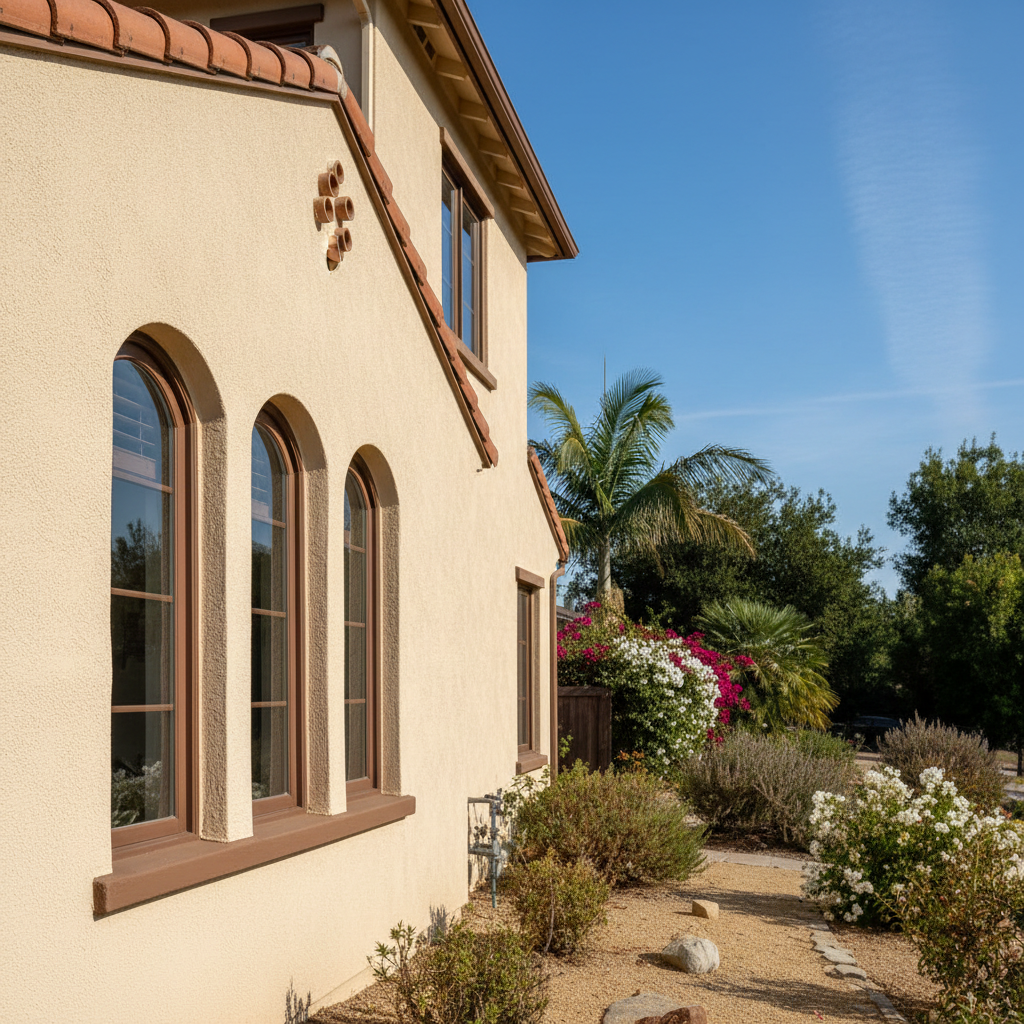
Alright, let's talk about the stucco on your Long Beach home. It's a tough material, no doubt, but it's not invincible. You want it to look good and protect your house for decades, right? Well, that takes a little bit of attention. I've seen countless homes around Belmont Shore and other parts of town where a little maintenance could've saved homeowners a lot of headaches and money down the line.
Extending Your Stucco's Lifespan
The biggest thing you can do to make your stucco last is pretty simple: keep it clean and keep it dry. Sounds basic, but you'd be surprised how often these two things get overlooked. Our climate here in Long Beach, with that marine layer and occasional heavy rains, means moisture is always a factor. Stucco is designed to shed water, but if water gets trapped behind it, that's where your problems start.
First off, think about your landscaping. Are bushes and trees growing right up against your walls? They hold moisture against the stucco, block airflow, and can even rub and scratch the surface. Trim them back. Give your stucco some breathing room, at least 6-12 inches. Also, check your sprinklers. Are they constantly hitting the side of your house? Adjust them. You're watering your plants, not your walls.
Next, keep an eye on your gutters and downspouts. If they're clogged or broken, water's going to overflow and run straight down your stucco. That's a direct path for moisture to get into places it shouldn't. Clean them out regularly, especially after a Santa Ana wind event kicks up a bunch of leaves and debris.
Regular Maintenance: What to Look For
You don't need to be a stucco expert to do a quick check-up. Walk around your house a couple of times a year, maybe in the spring and fall. Here's what I tell my clients to look for:
- Cracks: Small hairline cracks are pretty normal, especially with our shifting soils and the way homes settle. But if you see cracks that are wider than a credit card, or if they're forming a spiderweb pattern, that's a red flag.
- Discoloration or Stains: Dark streaks, especially under windows, near rooflines, or around pipes, usually mean water is getting in and running down. Green or black patches could be mold or mildew, which points to persistent moisture issues.
- Bulges or Soft Spots: Gently press on your stucco in a few places, especially areas that look suspicious. If it feels soft, spongy, or you can push it in, that's a serious problem. It means the lath or sheathing underneath is probably compromised by water damage.
- Peeling Paint or Finish: If the paint or topcoat on your stucco is bubbling, flaking, or peeling, it could be a sign of moisture pushing its way out from behind the stucco, or just poor adhesion.
- Gaps Around Openings: Check around windows, doors, and where pipes or vents exit the wall. The caulk or sealant here can dry out and crack over time, leaving an open invitation for water.
Cleaning your stucco is also part of regular maintenance. For general dirt and grime, a soft brush and a garden hose with plain water usually do the trick. For tougher stains, you can use a mild detergent solution. Just make sure to rinse thoroughly. Avoid high-pressure washers, as they can force water into the stucco or even damage the finish.
When to Call a Pro
Look, I'm not saying you need to call Synergy Stucco Long Beach every time you see a tiny crack. But there are definitely times when you should pick up the phone. If you see any of those serious warning signs I just mentioned – wide cracks, bulges, soft spots, or persistent water stains – don't put it off. These aren't just cosmetic issues; they can lead to structural damage, mold growth inside your walls, and a much more expensive repair bill down the road.
Also, if you're not comfortable doing the repairs yourself, or if you're unsure about the cause of a problem, that's what we're here for. Sometimes, what looks like a simple crack on the surface is actually a symptom of a bigger issue underneath. A professional can properly diagnose the problem, fix it the right way, and make sure your stucco is sealed up tight against our coastal elements. It's about protecting your investment and keeping your home safe and sound.