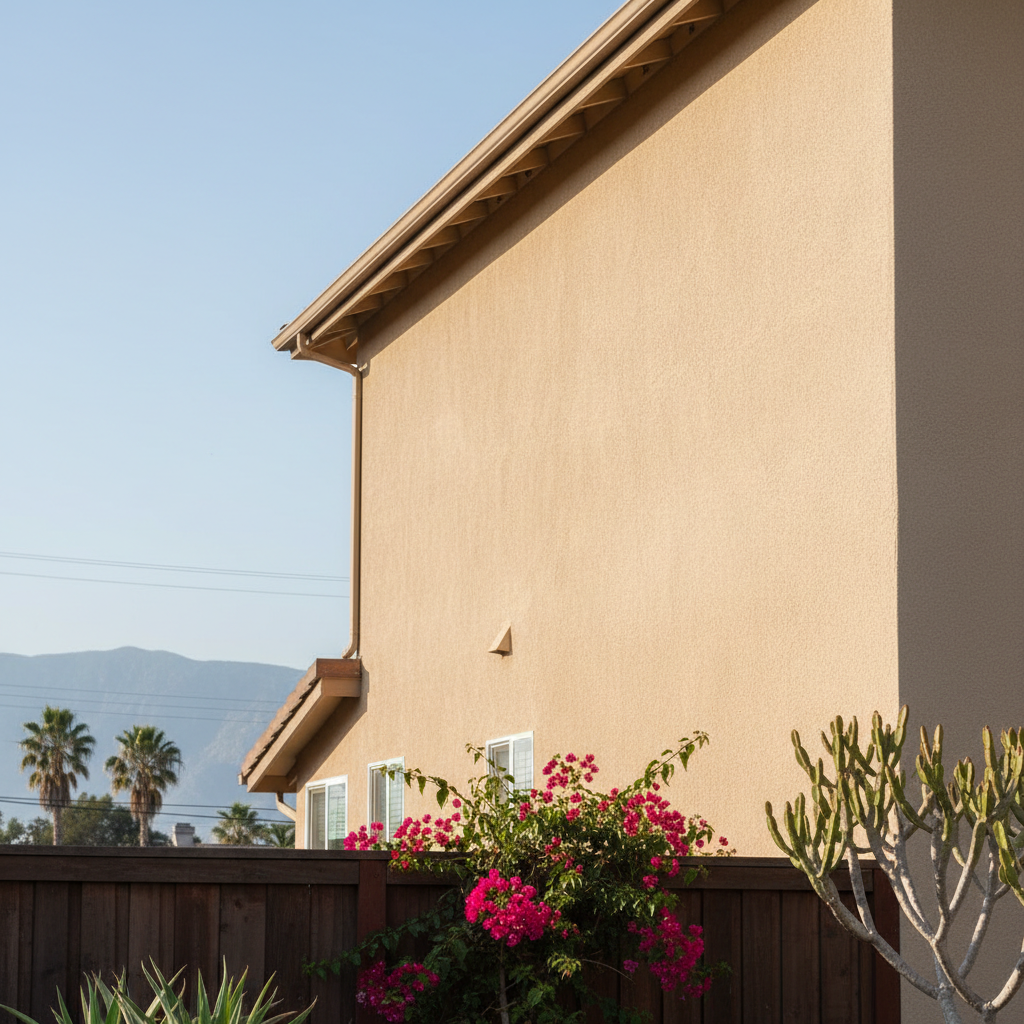
You've got a commercial building here in Long Beach, and chances are, it's got stucco on it. It's a popular choice for good reason: it's durable, fire-resistant, and looks sharp. But just because it's tough doesn't mean you can just put it up and forget about it. That's a recipe for headaches down the line. I've seen plenty of commercial stucco jobs, both good and bad, and I can tell you that proper maintenance is the real secret to getting your investment to last.
Extending the Life of Your Commercial Stucco
Think of your stucco like a good car. You wouldn't buy a new truck and never change the oil, right? Same goes for your building's exterior. The biggest thing you can do to extend the life of your commercial stucco is to keep it clean and address small issues before they become big ones. Long Beach weather, with its marine layer and occasional strong sun, can be pretty forgiving compared to other climates, but it's not entirely without its challenges. That salt air can be surprisingly corrosive over time, and even mild humidity can encourage algae if you're not careful.
Regular cleaning is huge. I'm not talking about a once-a-decade power wash. I mean a gentle wash down a couple of times a year, maybe more if your building is in a high-traffic area or near a lot of landscaping. Use a soft brush and a mild detergent. Avoid high-pressure washers unless you really know what you're doing, because you can easily damage the finish or even force water into places it shouldn't be. That's a whole other problem you don't want.
Also, keep an eye on your landscaping. Bushes and trees growing right up against the stucco can trap moisture, block airflow, and scratch the surface. Trim them back. Make sure your sprinklers aren't constantly hitting the walls. All that consistent moisture is just asking for trouble, whether it's mold, mildew, or even softening the stucco over time.
What Regular Maintenance Looks Like
So, what does 'regular maintenance' actually entail? It's mostly about observation and prevention. You or your property manager should be doing a walk-around inspection at least once a quarter. Get up close, look at the details.
- Check for cracks: Hairline cracks are pretty normal, especially with temperature shifts. But anything wider than a credit card, or cracks that are spreading, need attention.
- Look at the paint/finish: Is it peeling, blistering, or fading unevenly? That's not just an aesthetic issue; it means the protective layer is breaking down.
- Inspect around openings: Windows, doors, vents, and utility penetrations are common spots for water intrusion. Check the caulking and sealants. Are they cracked, shrunken, or missing?
- Examine the foundation line: Make sure there's a clear separation between the stucco and the ground. If dirt or landscaping is piled up against the stucco, it's a direct path for moisture and pests.
- Watch for discoloration: Dark streaks, green patches, or white powdery residue (efflorescence) can all indicate water problems or mold/mildew growth.
If you spot any of these things, don't just ignore them. A small caulk repair today can save you from a major stucco repair or even structural damage tomorrow. It's really that simple.
Warning Signs of Bigger Problems
While those small issues need attention, some signs scream,